



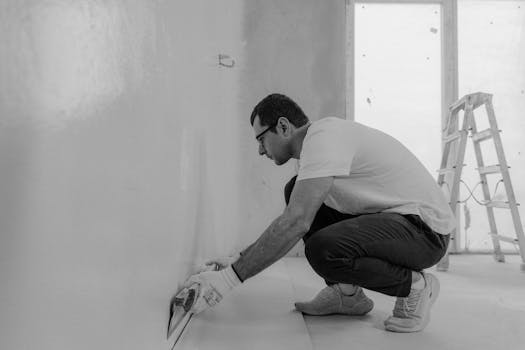
Picture this: You’ve finally decided to tackle that attic renovation. The dream of a cozy new office space is within reach. But as the work begins, the relentless cacophony starts. The whirring of saws, the rhythmic thud of hammers, the distant drone of machinery – it all blends into an overwhelming sonic assault. Suddenly, your sanctuary feels like a construction zone, and the very act of improving your home is diminishing your peace. This scenario, unfortunately, is all too common. We often focus on the visual and functional aspects of home improvement – the new paint colors, the updated fixtures, the expanded floor plan – and entirely overlook the profound impact of home improvement sound. But what if we viewed sound not just as a byproduct, but as an integral element, a design consideration in itself?
Rethinking the Noise: From Nuisance to Nuance
For too long, the sounds associated with home improvement have been relegated to the category of “necessary evils.” We endure them, plug our ears with earplugs, and look forward to the eventual silence. But this passive approach misses a critical opportunity. The sounds we create and experience during renovation – and even the sounds that permeate our homes afterward – can dramatically shape our perception of our living space. Are we just creating quieter homes, or are we actively cultivating better sound environments? This shift in perspective from simply reducing noise to enhancing acoustic quality is where true innovation in home improvement lies.
#### The Unseen Impact of Every Drop
Consider the simple act of installing new flooring. We might obsess over the material, the color, the durability. But have we considered the sound it will make when footsteps tread upon it? A hard, unforgiving tile can echo and amplify every movement, turning a quiet morning into a symphony of clatters. Conversely, a well-chosen laminate with a good underlayment can absorb sound, creating a softer, more grounded auditory experience. This isn’t just about aesthetics; it’s about the feel of your home. The way sound travels and is perceived directly influences our sense of comfort and well-being.
Crafting Your Home’s Sonic Identity
So, how do we move from being passive recipients of renovation noise to active architects of our home’s soundscape? It begins with awareness.
#### Listening Before You Leap: Pre-Project Acoustic Audits
Before any demolition or construction begins, take a moment to truly listen to your home. What are the dominant sounds? Where do they originate? Are there areas that feel particularly echoey or muffled? Understanding your existing acoustic environment is the first step to improving it. For instance, if you live in a bustling urban area, the constant hum of traffic might be a primary concern. Identifying these sonic “pain points” allows you to strategically address them during your home improvement projects.
##### Addressing External Intrusions
Window Upgrades: High-performance windows aren’t just about energy efficiency; they are critical barriers against external noise. Double or triple-paned windows with laminated glass can significantly dampen the sounds of traffic, construction, or even noisy neighbors.
Insulation Investments: Beyond thermal benefits, proper insulation in walls and ceilings plays a vital role in soundproofing. Dense insulation materials can absorb sound waves, preventing them from traveling between rooms or from the outside in. It’s an investment that pays dividends in tranquility.
Strategic Landscaping: Believe it or not, dense shrubs and trees can act as natural sound barriers, softening the impact of external noise before it even reaches your home.
#### The Underrated Power of Internal Acoustics
Once the external noise is managed, it’s time to consider the sounds within your home. This is where the subtle art of home improvement sound truly shines.
##### Material Choices Matter More Than You Think
Flooring: As mentioned, flooring is a major contributor to your home’s sound. Hardwood can transmit impact sounds, but with a good underlayment, it becomes much more manageable. Carpeting offers excellent sound absorption but can be less practical in certain areas. Engineered wood and luxury vinyl planks with integrated acoustic layers offer a compelling balance.
Wall Coverings: Bare drywall can be quite reflective. Consider textured wallpapers, acoustic panels (which can be both functional and decorative), or even strategically placed tapestries to break up sound waves.
Ceilings: Dropped ceilings with acoustic tiles are a classic solution for noise control, especially in basements or commercial spaces, but decorative acoustic ceiling treatments are increasingly available for residential use.
Beyond the Basics: Elevating Your Home’s Sonic Experience
True mastery of home improvement sound goes beyond mere noise reduction. It’s about creating an environment that enhances your life.
#### The Role of Reverberation: Finding the Sweet Spot
Reverberation is the persistence of sound after the original sound source has stopped, due to reflections. Too much reverb can make a room sound boomy and unclear, while too little can make it feel dead and lifeless. The goal is to find a balanced acoustic environment. For example, a home theater or a music room requires careful acoustic treatment to optimize the listening experience, minimizing unwanted echoes and maximizing clarity. This involves strategically placing sound-absorbing materials to control reflections.
##### Acoustic Panels: Art Meets Function
Modern acoustic panels are a far cry from the drab, industrial-looking options of the past. Today, they come in a vast array of colors, shapes, and sizes, often designed to be displayed as art. They can be hung on walls or ceilings to absorb excess sound and reduce echo, making conversations clearer and music richer. I’ve found that even a few well-placed panels can make a dramatic difference in how a room feels and sounds.
#### Designing for Different Zones
Not every room needs the same acoustic treatment. A home office might prioritize quiet focus, requiring excellent soundproofing. A living room might benefit from a balanced soundscape that is neither too dead nor too echoey, allowing for comfortable conversation and relaxed entertainment. A child’s playroom, on the other hand, might embrace a bit more liveliness, while still benefiting from some absorption to prevent the room from becoming overwhelmingly loud.
Wrapping Up: Your Home’s Sound is a Design Statement
Ultimately, approaching home improvement with an acoustic mindset transforms it from a purely visual and functional endeavor into a holistic sensory experience. The sounds we choose to embrace, and the sounds we wisely mitigate, contribute immeasurably to our comfort, our productivity, and our overall quality of life. Don’t just build a beautiful home; build a home that sounds beautiful. By consciously considering the acoustic dimension, you’re not just renovating walls and ceilings; you’re actively sculpting the auditory fabric of your sanctuary, creating a living space that truly resonates.